
Every community deserves quality mental health care.
Since launching in 2017, we’ve expanded access to evidence-based mental health treatments for posttraumatic stress disorder (PTSD) and suicide prevention. We deliver training that reaches communities nationwide – and beyond – so proven interventions get to the people who need them most.
Since 2017:
6,000+
Mental Health Clinicians Trained
48,000+
Treatment Sessions Delivered
78,000+
Hours of Professional Development
Proven Therapies, Wider Reach
We expand access to proven PTSD treatments by training mental health clinicians in Cognitive Processing Therapy (CPT), Prolonged Exposure (PE), and Written Exposure Therapy (WET). These trauma-focused therapies are grounded in strong research, and our mission is to ensure more clinicians can deliver them to the people who need effective care.
Proudly Training Community Mental Health Clinicians
Mental health professionals are at the heart of the STRONG STAR Training Initiative. Our PTSD Learning Communities equip them with the skills and expertise they need to provide evidence-based care. Learn more about our Learning Community training model >
This year, we also continued our PTSD Care Navigator trainings for non-clinical support staff in mental health agencies. These trainings ensure that entire teams operate with a trauma-informed approach, improving care from the first point of contact.
2025 Highlights
482
Clinicians Trained in an Evidence-Based PTSD Treatment
167
Clinicians Who Reached Provider Status
432
PTSD Care Navigators Trained
50
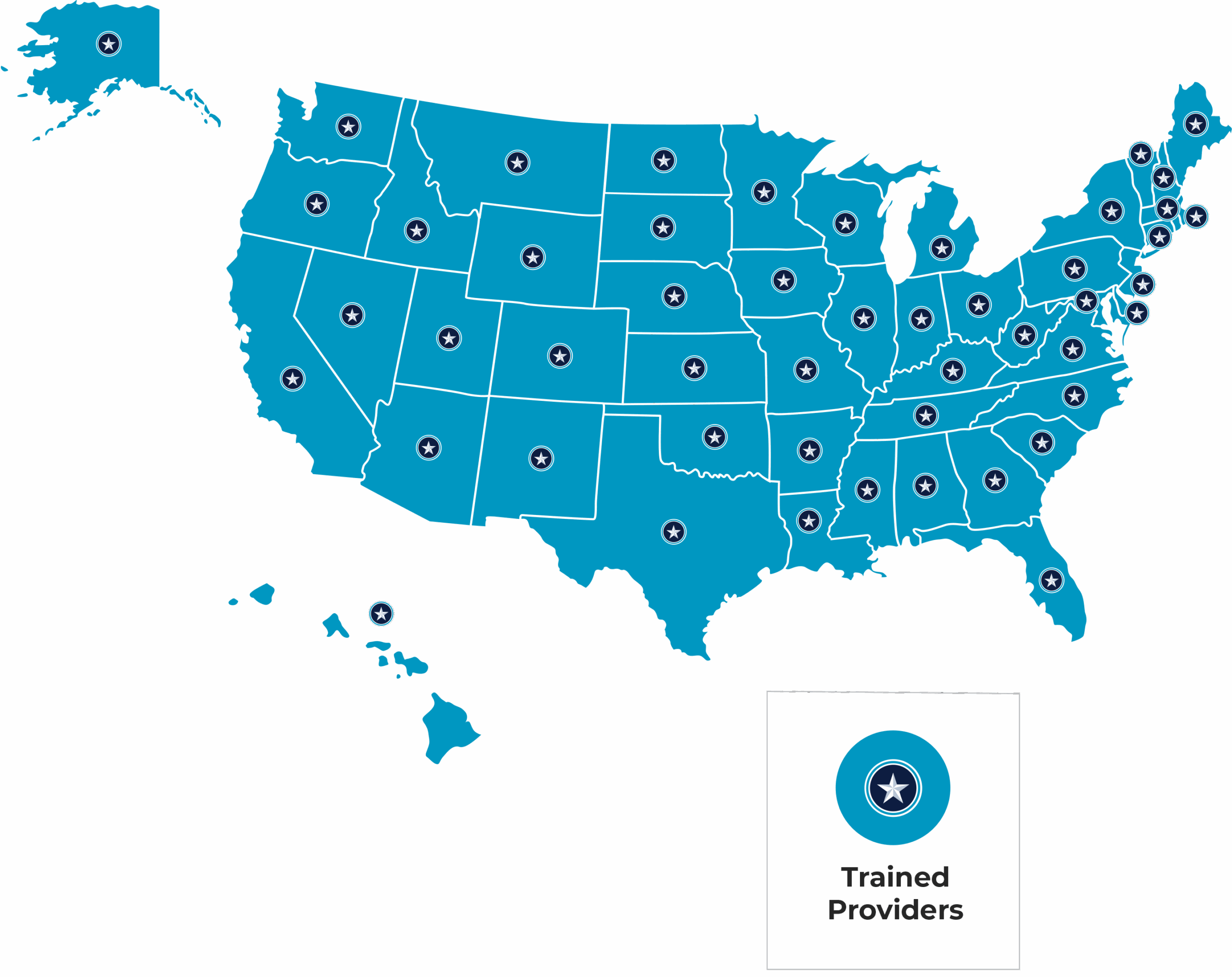
States Reached by Our Trained Providers
Enhancing Client Outcomes
Through client tracking in our provider portal, we’ve seen powerful results: Clients treated by our trained providers consistently make significant progress in treatment and reduce their PTSD symptoms.
On average, clients who receive evidence-based PTSD treatment from our trained providers see a 25-point drop in PCL-5 scores, which is a clinically meaningful reduction in PTSD symptoms.

Suicide Prevention with Face The Fight
In 2025, we continued serving as scientific advisors to Face the Fight – a coalition dedicated to raising awareness and support for veteran suicide prevention.
Together, we’ve provided trainings on Crisis Response Planning, Lethal Means Safety, and Brief Cognitive Behavioral Treatment for Suicide Prevention. By training clinicians, loved ones, peers, and community advocates, we ensure that everyone supporting a veteran at risk has the tools to intervene effectively.
Learn more about Face the Fight at wefacethefight.org
To date, our suicide prevention trainings have reached:
Over
2,400
Mental Health Clinicians
Over
1,100
Medical Clinicians & Community Peers
Building Expertise Through Advanced Skills Workshops
This year, we expanded our Advanced Skills workshop series, designed to take clinicians beyond treatment fundamentals. We invited leading experts to present on specialized topics, helping providers refine their skills and stay informed on the latest in trauma-informed care.
Explore some of the topics we covered in this year’s Advanced Skills workshops!
Culture is Key
Cultural factors can play a crucial role in trauma therapy. That’s why we remain committed to giving clinicians the tools they need to address issues of culture and identity in PTSD treatment.
With guidance from our Director of Culturally Responsive Training, Dr. Brittany Hall-Clark, we’ve developed new resources to help clinicians integrate a culturally informed lens into their PTSD treatment. This includes a new webpage featuring our online workshop on culturally responsive trauma care, as well as a free consultation group where clinicians can explore how culture and identity intersect with their current caseloads. See our Culturally Responsive Trauma Therapy page here. >


International Efforts
Trauma and suicide risk affect people everywhere. We are proud to expand access to evidence-based interventions for PTSD and suicide prevention around the globe.
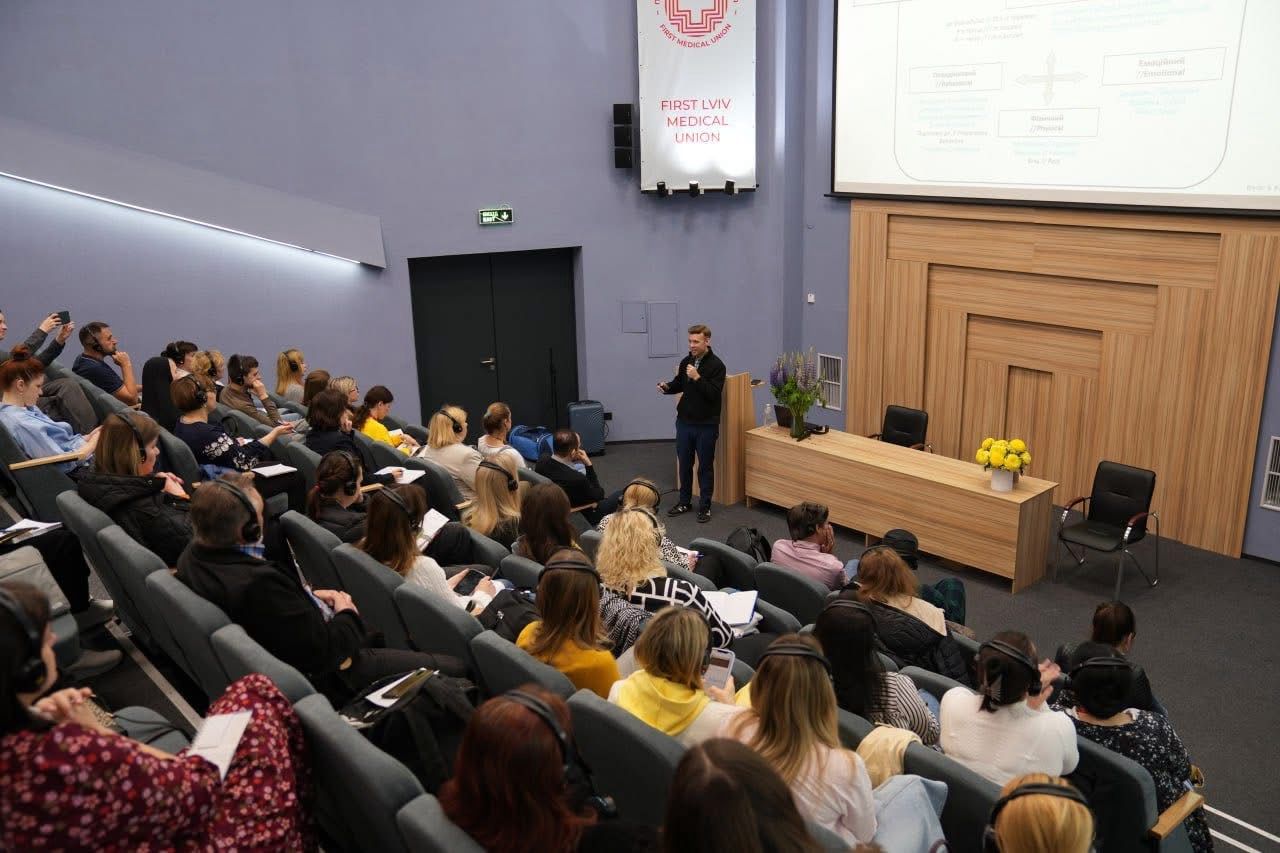
International clinicians are welcome in all our public virtual trainings, and we’ve partnered with organizational leaders worldwide to provide targeted trainings in regions facing crisis.
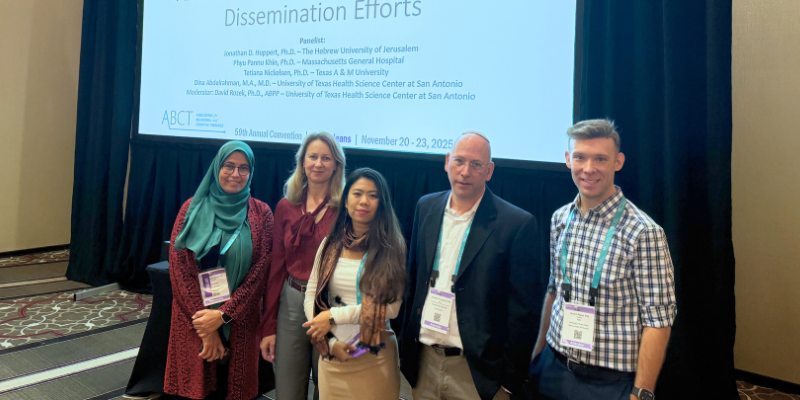
Our Director of Strategy and Evaluation, Dr. David Rozek, moderated the 2025 ABCT Panel Discussion: Expanding Access to Cognitive Behavioral Therapies in Areas of Crisis – Global Training and Dissemination Efforts. This powerful conversation underscored the importance of international collaboration in improving mental health treatment. Read more about our international work below.


Innovation Through Research
The STRONG STAR Training Initiative is on the cutting edge of research on how to most effectively and efficiently train the mental health workforce in evidence-based treatments for PTSD. With funding from the National Institute of Mental Health, the Department of Defense, and others, Drs. Katy Dondanville, Stefanie LoSavio, and David Rozek are collaborating with researchers around the nation to develop, deploy, and study application of novel technologies to training, including artificial intelligence (AI) large language models.
Some of the innovations being developed are:
- Self-guided, web-based foundational training in WET
- AI tools to provide on-demand, personalized clinical case consultation
- Opportunities to deliver treatment to simulated patients for WET and CPT
These tools will make it possible for more providers to engage in training and begin using their new skills faster – increasing the reach of evidence-based treatments for PTSD. Behavioral health providers interested in information about participating in one of our training studies can contact ASCENT@uthscsa.edu.






Together, We Make Change Happen
We are deeply grateful to our funders, partners, and collaborators. Together, we are breaking down barriers to mental health care, improving outcomes for people living with PTSD, and equipping providers with the tools they need to save lives.
Your partnership allows us to think bigger, innovate faster, and reach further. We look forward to continuing this work with you as we create even more opportunities in the year ahead.
Help us continue expanding access to life-changing care by supporting our mission at: makelivesbetter.uthscsa.edu/ssti